Navigating ERP change can be tough, but with the right consulting, transformation becomes seamless and powerful.
[ez-toc]




Understanding ERP Change Management Consulting

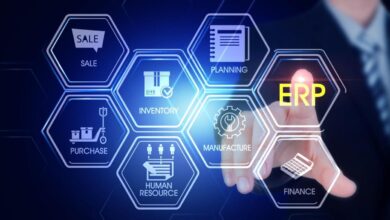
Enterprise Resource Planning (ERP) systems are the backbone of modern business operations, integrating finance, HR, supply chain, and more into a unified platform. However, implementing or upgrading an ERP system isn’t just a technical challenge—it’s a human one. This is where ERP change management consulting comes in. It’s the strategic process of guiding organizations through the people side of technological transformation, ensuring adoption, minimizing resistance, and maximizing ROI.
What Is ERP Change Management Consulting?
ERP change management consulting involves expert advisors who specialize in managing the organizational, cultural, and behavioral shifts that accompany ERP implementations. These consultants don’t just focus on software deployment; they focus on people, processes, and communication. Their goal is to align stakeholders, train teams, and create a culture ready for change.
- Focuses on human behavior during ERP transitions
- Involves stakeholder alignment and communication planning
- Reduces resistance and increases user adoption
Why It’s More Than Just IT Consulting
While IT consultants handle system configuration and data migration, ERP change management consulting addresses the psychological and operational impact on employees. According to Prosci, a global leader in change management, projects with excellent change management are six times more likely to meet objectives than those with poor change management. This highlights that technical success doesn’t guarantee business success—people do.
“It’s not the technology that fails; it’s the people side of change that gets overlooked.” — Jeff Hiatt, Founder of Prosci
ERP change management consulting ensures that employees understand the ‘why’ behind the change, feel involved in the process, and are equipped with the skills to thrive in the new system.
The Critical Role of ERP Change Management Consulting in Digital Transformation
As businesses undergo digital transformation, ERP systems are often at the heart of the shift. Whether migrating to cloud-based platforms like SAP S/4HANA or Oracle Cloud ERP, the complexity increases. ERP change management consulting becomes essential to navigate this complexity without disrupting operations.
Aligning Technology with Business Goals
A successful ERP implementation must align with strategic business objectives. ERP change management consulting helps bridge the gap between technical capabilities and business needs. Consultants work with leadership to define clear goals, such as improving reporting accuracy, reducing operational costs, or enhancing customer service.
- Translates business needs into system requirements
- Ensures ERP functionality supports long-term strategy
- Facilitates cross-departmental collaboration
For example, a manufacturing company aiming to reduce inventory waste might use ERP change management consulting to redesign workflows in procurement and production modules, ensuring the new system supports lean principles.
Reducing Risk of Project Failure
Studies show that up to 75% of ERP projects fail to meet expectations, often due to poor user adoption or lack of change readiness. ERP change management consulting mitigates these risks by proactively addressing resistance, identifying change champions, and creating structured training programs.
Consultants use proven methodologies like ADKAR (Awareness, Desire, Knowledge, Ability, Reinforcement) or Kotter’s 8-Step Process to guide organizations through transition. These frameworks provide a roadmap for sustainable change.
Learn more about proven change models at Prosci’s official website.
Key Components of Effective ERP Change Management Consulting
Successful ERP change management consulting isn’t a one-size-fits-all solution. It requires a tailored approach based on organizational culture, size, industry, and project scope. However, several core components are consistently present in high-impact consulting engagements.
Stakeholder Analysis and Engagement
One of the first steps in ERP change management consulting is identifying key stakeholders—executives, department heads, end-users, and IT teams. Consultants conduct interviews and workshops to understand concerns, expectations, and influence levels.
- Maps stakeholders by power and interest
- Develops targeted communication plans
- Engages sponsors early to drive top-down support
Without executive sponsorship, change initiatives often stall. ERP change management consulting ensures leaders are visible, vocal, and committed throughout the journey.
Communication Strategy Development
Clear, consistent communication is the lifeblood of change. ERP change management consulting designs multi-channel communication plans that include emails, town halls, intranet updates, and FAQs. The goal is to answer the question: “What’s in it for me?” (WIIFM) for every audience.
For instance, finance teams might care about faster month-end closing, while warehouse staff want to know how the new system simplifies inventory tracking. Tailoring messages increases relevance and buy-in.
“People don’t resist change. They resist being changed.” — Peter Senge, MIT Professor and Author
Training and Capability Building
Even the most intuitive ERP system requires training. ERP change management consulting designs role-based training programs that go beyond button-clicking. Effective training includes simulations, job aids, and post-go-live support.
Consultants often recommend a blended learning approach:
- Live instructor-led sessions for complex processes
- On-demand e-learning modules for flexibility
- Super-user networks for peer support
According to Gartner, organizations that invest in comprehensive training see up to 50% higher user adoption rates. ERP change management consulting ensures training is not a one-time event but an ongoing process.
Common Challenges in ERP Implementations and How Consulting Helps
Despite best intentions, ERP projects often face obstacles that derail timelines, inflate budgets, and reduce effectiveness. ERP change management consulting anticipates these challenges and provides proactive solutions.
Employee Resistance and Fear of Job Loss
One of the most common barriers is fear—fear of the unknown, fear of incompetence, or fear of job elimination. ERP change management consulting addresses this through transparency and inclusion.
Consultants facilitate workshops where employees can voice concerns and participate in process design. When people feel heard, resistance decreases. Additionally, highlighting how automation frees employees from repetitive tasks to focus on higher-value work can shift mindsets.
Data Migration and Process Gaps
Transferring legacy data into a new ERP system is complex. Inaccurate or incomplete data can lead to flawed reporting and operational errors. ERP change management consulting works alongside technical teams to ensure data integrity.
- Conducts data quality audits pre-migration
- Defines clear data ownership and governance
- Trains teams on new data entry standards
Moreover, consultants help identify process gaps—areas where old workflows don’t align with new system capabilities. They guide process reengineering to leverage the full potential of the ERP.
Scope Creep and Timeline Delays
ERP projects often expand beyond original goals, leading to delays and budget overruns. ERP change management consulting introduces change control mechanisms to manage scope.
Consultants help establish a Change Advisory Board (CAB) to evaluate new requests against business value and resource impact. This ensures the project stays on track without sacrificing quality.
For best practices on managing ERP scope, visit Gartner’s ERP research page.
The ERP Change Management Consulting Process: A Step-by-Step Guide
Effective ERP change management consulting follows a structured, phased approach. This ensures consistency, accountability, and measurable progress.
Phase 1: Assessment and Readiness
The first phase involves evaluating the organization’s current state. Consultants conduct change readiness assessments using surveys, focus groups, and leadership interviews.
- Measures organizational culture and change capacity
- Identifies potential resistance points
- Establishes a baseline for measuring success
This phase sets the foundation for a customized change strategy.
Phase 2: Strategy Development
Based on the assessment, consultants develop a comprehensive change management plan. This includes:
- Defining vision and objectives
- Creating a stakeholder engagement roadmap
- Designing communication and training plans
The strategy is aligned with the ERP project timeline, ensuring change activities occur at the right time.
Phase 3: Execution and Support
During implementation, consultants activate the change plan. This includes launching communications, delivering training, and supporting go-live activities.
They also monitor progress through key performance indicators (KPIs) like:
- User adoption rates
- Training completion percentages
- Helpdesk ticket volume
Real-time feedback allows for quick adjustments.
Phase 4: Reinforcement and Sustainability
Post-go-live is not the end—it’s the beginning of sustainability. ERP change management consulting focuses on reinforcing new behaviors.
Strategies include:
- Recognizing and rewarding early adopters
- Conducting post-implementation reviews
- Embedding change into performance metrics
This phase ensures the change sticks and delivers long-term value.
Choosing the Right ERP Change Management Consulting Partner
Not all consulting firms are created equal. Selecting the right partner can make or break your ERP transformation. ERP change management consulting firms vary in expertise, methodology, and industry focus.
Key Selection Criteria
When evaluating potential consultants, consider:
- Proven track record in ERP change management
- Industry-specific experience
- Certifications in change management (e.g., Prosci, Change Management Institute)
Ask for case studies and client references to validate their success stories.
Red Flags to Watch For
Beware of consultants who:
- Focus only on training without a broader change strategy
- Use generic templates instead of custom solutions
- Lack integration with your ERP implementation team
The best ERP change management consulting partners act as true collaborators, embedded within your project team.
Measuring the ROI of ERP Change Management Consulting
Investing in ERP change management consulting requires justification. Fortunately, its impact can be measured through both qualitative and quantitative metrics.
Quantitative Benefits
Organizations that use ERP change management consulting often see:
- 30-50% faster user adoption
- 20-40% reduction in post-go-live support tickets
- Higher ROI on ERP investments due to full utilization
A study by McKinsey found that companies with strong change management achieve 2.5 times the return on digital investments compared to those without.
Qualitative Benefits
Beyond numbers, ERP change management consulting improves:
- Employee morale and engagement
- Leadership alignment and communication
- Organizational agility and resilience
These intangible benefits contribute to long-term competitive advantage.
Future Trends in ERP Change Management Consulting
The landscape of ERP and change management is evolving. ERP change management consulting must adapt to new technologies, workforce dynamics, and business expectations.
Rise of AI and Automation in Change Processes
Artificial intelligence is transforming how change is managed. ERP change management consulting now leverages AI-powered tools for:
- Predicting resistance based on employee behavior
- Personalizing training content
- Automating communication workflows
For example, chatbots can answer user questions during ERP adoption, reducing the burden on support teams.
Hybrid Workforce and Digital-First Change
With remote and hybrid work becoming the norm, ERP change management consulting must be digital-first. Virtual training, online collaboration platforms, and mobile learning are now essential.
Consultants are designing change strategies that work across geographies and time zones, ensuring inclusivity and accessibility.
Integration with Agile ERP Implementations
Many organizations are adopting Agile methodologies for ERP rollouts. ERP change management consulting is adapting by using iterative change cycles, continuous feedback loops, and sprint-based training.
This agile approach allows for faster adjustments and better alignment with user needs.
Explore agile ERP best practices at Scrum.org.
What is ERP change management consulting?
ERP change management consulting is a specialized service that helps organizations manage the people side of ERP system implementations or upgrades. It focuses on user adoption, communication, training, and cultural alignment to ensure successful transformation.
Why is change management important in ERP projects?
Change management is crucial because ERP success depends on user adoption, not just technical deployment. Without managing the human element, even the most advanced system can fail to deliver value.
How long does ERP change management consulting last?
It typically spans the entire ERP lifecycle—from pre-implementation assessment to post-go-live reinforcement. Most engagements last 6 to 18 months, depending on project scope.
Can small businesses benefit from ERP change management consulting?
Yes. Even small organizations face change challenges. ERP change management consulting can be scaled to fit budget and complexity, ensuring smooth transitions regardless of size.
What’s the difference between ERP consulting and change management consulting?
ERP consulting focuses on technical aspects like system configuration and integration, while change management consulting focuses on people, processes, and adoption. Both are essential for success.
ERP change management consulting is not a luxury—it’s a necessity for any organization undergoing ERP transformation. By focusing on the human side of change, it ensures that technology investments deliver real business value. From stakeholder engagement to training and sustainability, expert consultants provide the roadmap, tools, and support needed to navigate complexity with confidence. As ERP systems become more intelligent and integrated, the role of change management will only grow in importance. Investing in the right consulting partner today prepares your organization for a more agile, resilient, and successful tomorrow.
Further Reading: