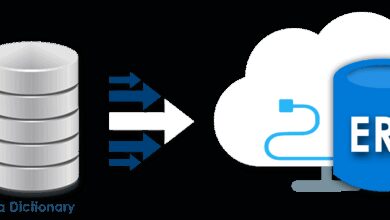
Thinking about moving your ERP system to the cloud? You’re not alone. But before you take the leap, understanding the real ERP cloud migration cost is crucial to avoid budget blowouts and project delays.
[ez-toc]






Understanding ERP Cloud Migration Cost: The Big Picture

When businesses consider shifting from on-premise ERP systems to cloud-based solutions, one of the first—and most critical—questions is: How much will it cost? The answer isn’t straightforward. ERP cloud migration cost varies widely depending on company size, industry, legacy systems, and migration strategy. However, getting a clear picture early can prevent costly surprises down the line.
What Is ERP Cloud Migration?
ERP (Enterprise Resource Planning) cloud migration refers to the process of moving business-critical applications—like finance, HR, supply chain, and inventory management—from local servers to a cloud-based platform. This transition enables organizations to access real-time data, improve scalability, and reduce infrastructure overhead.
Unlike traditional on-premise ERP systems that require physical hardware and in-house IT teams for maintenance, cloud ERP runs on remote servers managed by third-party providers like Oracle Cloud, SAP S/4HANA Cloud, or Microsoft Dynamics 365. This shift offers flexibility but comes with its own financial implications.
Why ERP Cloud Migration Cost Matters
Underestimating ERP cloud migration cost is one of the top reasons projects fail or go over budget. According to a Gartner report, nearly 60% of ERP implementations exceed their initial budget, often due to hidden or unforeseen expenses.
- Unexpected integration costs with existing systems
- Extended training periods for employees
- Data migration complexities
- Customization needs not accounted for initially
Understanding the full scope of ERP cloud migration cost helps stakeholders make informed decisions, allocate resources wisely, and set realistic timelines.
“The true cost of ERP migration isn’t just in software licenses—it’s in people, processes, and change management.” — Gartner Research
Key Factors Influencing ERP Cloud Migration Cost
The total ERP cloud migration cost isn’t just about subscription fees. It’s a combination of direct and indirect expenses that span across technology, labor, and organizational change. Let’s break down the major cost drivers.
1. Software Licensing and Subscription Fees
One of the most visible components of ERP cloud migration cost is the recurring subscription fee. Cloud ERP vendors typically charge per user, per month, or annually. Pricing models vary significantly:
- SAP S/4HANA Cloud: Starts at $150/user/month for standard editions
- Oracle Cloud ERP: Around $120–$200/user/month depending on modules
- Microsoft Dynamics 365: Ranges from $50 to $200/user/month based on functionality
While these may seem affordable at first glance, costs scale quickly with the number of users. A mid-sized company with 500 employees could face annual subscription costs of $900,000 to $1.2 million.
2. Data Migration and System Integration
Moving years—or decades—of business data from legacy systems to the cloud is both technically complex and expensive. ERP cloud migration cost includes:
- Data cleansing and normalization
- Mapping fields between old and new systems
- Testing data integrity post-migration
- Integrating with third-party apps (CRM, payroll, e-commerce)
On average, data migration can account for 15–25% of the total ERP cloud migration cost. For large enterprises, this can mean spending $200,000 to $500,000 just on data transfer and validation.
3. Customization and Configuration
No two businesses operate the same way, so off-the-shelf cloud ERP solutions often require customization. Whether it’s adapting workflows, creating custom reports, or modifying approval hierarchies, these changes add to the ERP cloud migration cost.
Highly regulated industries like healthcare or manufacturing may need extensive configuration to meet compliance standards. Custom development work is typically billed at $150–$250/hour by certified consultants, quickly driving up project expenses.
Hidden Costs in ERP Cloud Migration
Many organizations focus only on visible costs like software subscriptions but overlook the hidden expenses that can derail budgets. These are often the most damaging because they’re not anticipated during planning.
Training and Change Management
Even the most advanced ERP system fails if employees don’t use it correctly. Training is a major component of ERP cloud migration cost, yet it’s frequently underfunded.
- Classroom or virtual training sessions
- User manuals and video tutorials
- Ongoing support during the transition phase
- Change management consultants to drive adoption
According to McKinsey, companies that invest in change management are 1.5x more likely to see successful ERP adoption. Budgeting 10–15% of the total ERP cloud migration cost for training is recommended.
Downtime and Productivity Loss
During migration, business operations may slow down or temporarily halt. This downtime translates directly into lost revenue and reduced productivity.
For example, a manufacturing firm that shuts down its order processing system for three days during migration could lose tens of thousands in sales. The ERP cloud migration cost must include estimates for:
- Lost output during system cutover
- Support staff overtime to manage the transition
- Customer service delays or errors
Proper planning, phased rollouts, and parallel running of old and new systems can mitigate these losses—but they come at an added cost.
Post-Migration Support and Maintenance
Once the system goes live, the work doesn’t stop. Ongoing support, bug fixes, performance tuning, and minor updates are part of the long-term ERP cloud migration cost.
Many companies opt for managed services from implementation partners or the vendor itself. These contracts can range from $50,000 to $200,000 annually, depending on complexity and service level agreements (SLAs).
ERP Cloud Migration Cost by Business Size
The scale of your organization plays a huge role in determining the final ERP cloud migration cost. Let’s look at how costs differ across small, mid-sized, and large enterprises.
Small Businesses (1–100 Employees)
Small businesses often use simplified ERP solutions like NetSuite, Zoho ERP, or Acumatica. The ERP cloud migration cost for this segment is typically lower but still significant relative to revenue.
- Average total cost: $50,000 – $150,000
- Subscription: $30–$100/user/month
- Implementation time: 3–6 months
- Key focus: Core finance and inventory modules
For small firms, the biggest challenge is often lack of internal IT expertise, requiring reliance on external consultants, which increases ERP cloud migration cost.
Mid-Sized Companies (100–1,000 Employees)
Mid-sized organizations usually need more robust functionality, including advanced reporting, multi-location support, and integrations with CRM or HR systems.
- Average total cost: $200,000 – $750,000
- Subscription: $100–$200/user/month
- Implementation time: 6–12 months
- Key focus: End-to-end process automation
These companies often face moderate customization needs and require dedicated project managers, contributing significantly to ERP cloud migration cost.
Large Enterprises (1,000+ Employees)
Enterprise-level ERP cloud migration is a massive undertaking involving multiple departments, geographies, and regulatory requirements.
- Average total cost: $1 million – $10 million+
- Subscription: Volume-based pricing, often negotiated
- Implementation time: 12–24 months
- Key focus: Global consolidation, compliance, scalability
Large-scale migrations often involve phased rollouts, extensive data governance, and third-party audit requirements—all adding layers to the ERP cloud migration cost.
Cost Comparison: Cloud ERP vs On-Premise ERP
One of the most debated topics is whether cloud ERP is cheaper than on-premise ERP over the long term. While cloud solutions have lower upfront costs, the total cost of ownership (TCO) over 5–10 years needs careful analysis.
Upfront Costs: Cloud Wins
Cloud ERP eliminates the need for expensive hardware, data centers, and initial software licensing fees. Instead, businesses pay a predictable monthly subscription.
- Cloud ERP: $50,000–$200,000 initial setup
- On-Premise ERP: $500,000–$2 million+ for servers, licenses, and installation
For most companies, especially SMEs, the lower barrier to entry makes cloud ERP more accessible and reduces initial ERP cloud migration cost.
Long-Term Costs: It Depends
Over time, cloud subscription fees accumulate. After 5–7 years, the total cost may surpass that of an on-premise system, especially if the company doesn’t scale significantly.
However, on-premise systems come with their own ongoing costs:
- Hardware upgrades every 5–7 years
- Annual maintenance fees (15–20% of license cost)
- Internal IT staff for management and troubleshooting
A 2023 IDC study found that cloud ERP has a 27% lower TCO over five years compared to on-premise, primarily due to reduced IT overhead and faster deployment.
“Cloud ERP isn’t always cheaper in year 10, but it delivers faster ROI and greater agility from day one.” — IDC Whitepaper
Strategies to Reduce ERP Cloud Migration Cost
You don’t have to accept high costs as inevitable. With smart planning and execution, you can significantly reduce ERP cloud migration cost without sacrificing quality.
Choose the Right Deployment Model
Not all cloud ERP deployments are the same. Consider:
- Single-tenant vs multi-tenant: Multi-tenant is usually cheaper but offers less customization.
- Phased rollout: Migrate department by department instead of all at once to spread costs.
- Hybrid approach: Keep some legacy systems running while moving core functions to the cloud.
A well-planned deployment strategy can reduce ERP cloud migration cost by 20–30%.
Leverage Pre-Built Templates and Best Practices
Vendors like SAP and Oracle offer industry-specific templates that reduce the need for custom development. Using these standardized configurations cuts down on consulting hours and speeds up implementation.
For example, SAP’s “Rapid Deployment Solutions” can reduce ERP cloud migration cost by up to 40% compared to full custom builds.
Negotiate Vendor Contracts Wisely
Don’t accept the first quote. Enterprise vendors are often willing to negotiate:
- Volume discounts for large user counts
- Free training or support credits
- Extended trial periods
- Bundled modules at reduced rates
Hiring an independent procurement advisor can help you secure better terms and reduce ERP cloud migration cost by 10–25%.
Real-World ERP Cloud Migration Cost Examples
Numbers are easier to grasp when tied to real cases. Here are three anonymized examples showing how ERP cloud migration cost plays out in practice.
Case Study 1: Manufacturing Firm (500 Employees)
This U.S.-based manufacturer migrated from an on-premise SAP ECC system to SAP S/4HANA Cloud.
- Total ERP cloud migration cost: $1.8 million
- Breakdown:
- Software subscription (3 years): $600,000
- Implementation & consulting: $750,000
- Data migration: $200,000
- Training & change management: $150,000
- Post-go-live support: $100,000
The project took 14 months and achieved full ROI within 2.5 years through improved inventory accuracy and reduced IT costs.
Case Study 2: Retail Chain (200 Stores)
A national retail brand moved from Microsoft Dynamics AX to Dynamics 365 Finance and Supply Chain.
- Total ERP cloud migration cost: $950,000
- Breakdown:
- Subscription (3 years): $300,000
- Integration with POS and e-commerce: $350,000
- Custom reporting tools: $100,000
- Staff training: $120,000
- Contingency fund: $80,000
The migration improved real-time sales reporting and reduced month-end closing from 10 days to 2 days.
Case Study 3: Healthcare Provider (1,200 Employees)
A hospital network adopted Oracle Cloud ERP to centralize financial operations across multiple clinics.
- Total ERP cloud migration cost: $4.2 million
- Breakdown:
- Software licensing: $1.2 million
- Compliance & security configuration: $800,000
- Data migration from 15 legacy systems: $1 million
- Change management & training: $600,000
- Ongoing managed services (3 years): $600,000
The high ERP cloud migration cost was justified by eliminating redundant systems and achieving HIPAA compliance across all locations.
Future Trends Impacting ERP Cloud Migration Cost
The landscape of ERP cloud migration is evolving rapidly. Emerging technologies and market shifts are reshaping how businesses approach cost and value.
AI and Automation in ERP
Modern cloud ERP platforms are integrating AI for predictive analytics, automated journal entries, and intelligent procurement. While these features enhance value, they may come with premium pricing tiers.
However, AI-driven automation can reduce long-term operational costs by minimizing manual work, potentially offsetting higher subscription fees.
Low-Code/No-Code Customization
Vendors are introducing drag-and-drop tools that allow business users to customize workflows without developer help. This reduces dependency on expensive consultants and lowers ERP cloud migration cost over time.
Platforms like ServiceNow and Mendix are leading this trend, enabling faster, cheaper adaptations.
Subscription Fatigue and Pricing Pressure
As more companies adopt SaaS models, there’s growing resistance to perpetual subscription costs. This is pushing vendors to offer more flexible pricing, including usage-based models and outcome-based contracts.
Expect future ERP cloud migration cost structures to become more transparent and performance-linked.
What is the average ERP cloud migration cost?
The average ERP cloud migration cost ranges from $50,000 for small businesses to over $10 million for large enterprises. Mid-sized companies typically spend between $200,000 and $750,000, including software, implementation, training, and support.
What are the biggest cost drivers in ERP cloud migration?
The biggest cost drivers include software subscription fees, data migration, system integration, customization, training, and post-migration support. Hidden costs like downtime and productivity loss also significantly impact the total ERP cloud migration cost.
How can I reduce ERP cloud migration cost?
You can reduce ERP cloud migration cost by choosing a phased rollout, using pre-built templates, negotiating vendor contracts, leveraging low-code tools, and investing in change management to avoid costly adoption failures.
Is cloud ERP cheaper than on-premise ERP?
Cloud ERP typically has lower upfront costs and a 27% lower total cost of ownership over five years, according to IDC. However, long-term subscription fees may exceed on-premise costs after 7–10 years, depending on usage and scalability needs.
How long does ERP cloud migration take?
ERP cloud migration takes 3–6 months for small businesses, 6–12 months for mid-sized companies, and 12–24 months for large enterprises. Complex integrations and data volumes can extend timelines and increase ERP cloud migration cost.
Understanding ERP cloud migration cost is essential for any organization planning a digital transformation. From software subscriptions to hidden expenses like training and downtime, every factor plays a role in the final price tag. By analyzing real-world examples, leveraging cost-saving strategies, and staying ahead of industry trends, businesses can make smarter decisions and achieve a faster return on investment. The key is not to avoid costs, but to manage them wisely.
Further Reading: